Key Takeaways
- Ground-level checks should focus on damaged roof materials, flashings, gutters and outlets
- Clear drainage helps reduce avoidable overflow during heavy rain
- A simple storm preparation plan helps property owners document damage, avoid unsafe roof access, and arrange temporary protection when needed
- Preventative maintenance can reduce avoidable repair scope by addressing small defects before severe weather
Quick Answer
Before stormy weather, check the roof and drainage from the ground, clear safe-to-reach debris, deal with known leaks and keep recent photos of the property. Do not climb onto a wet, damaged or windy roof.Start With A Safe Ground-Level Check
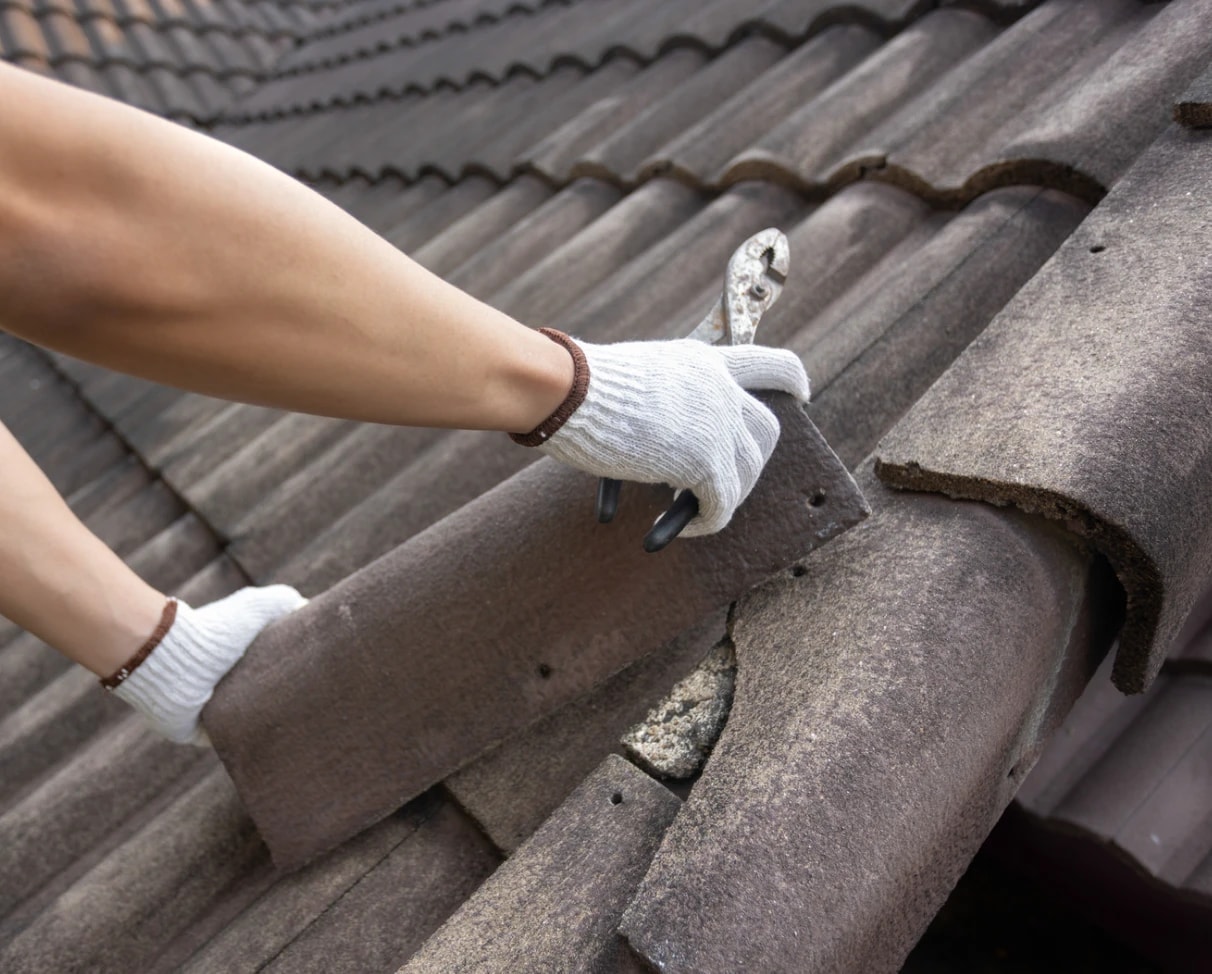
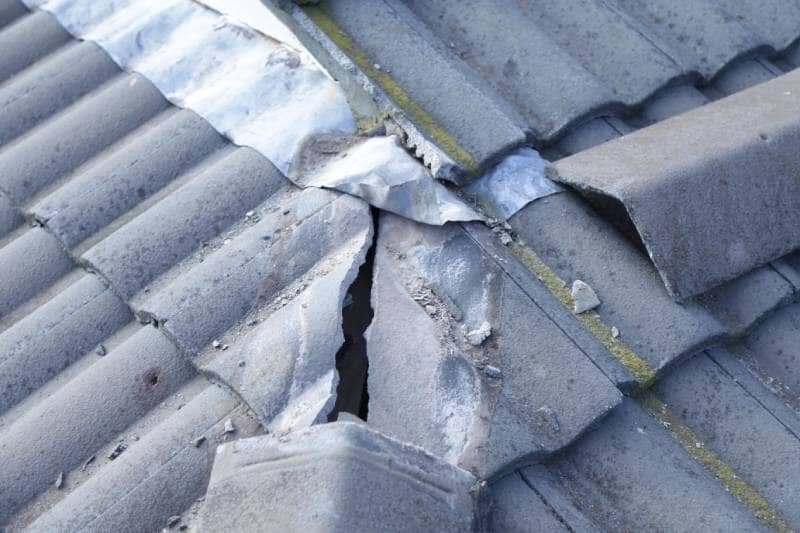
Look for:- cracked, displaced or missing tiles
- loose or lifted metal sheets
- damaged flashings around walls, chimneys or skylights
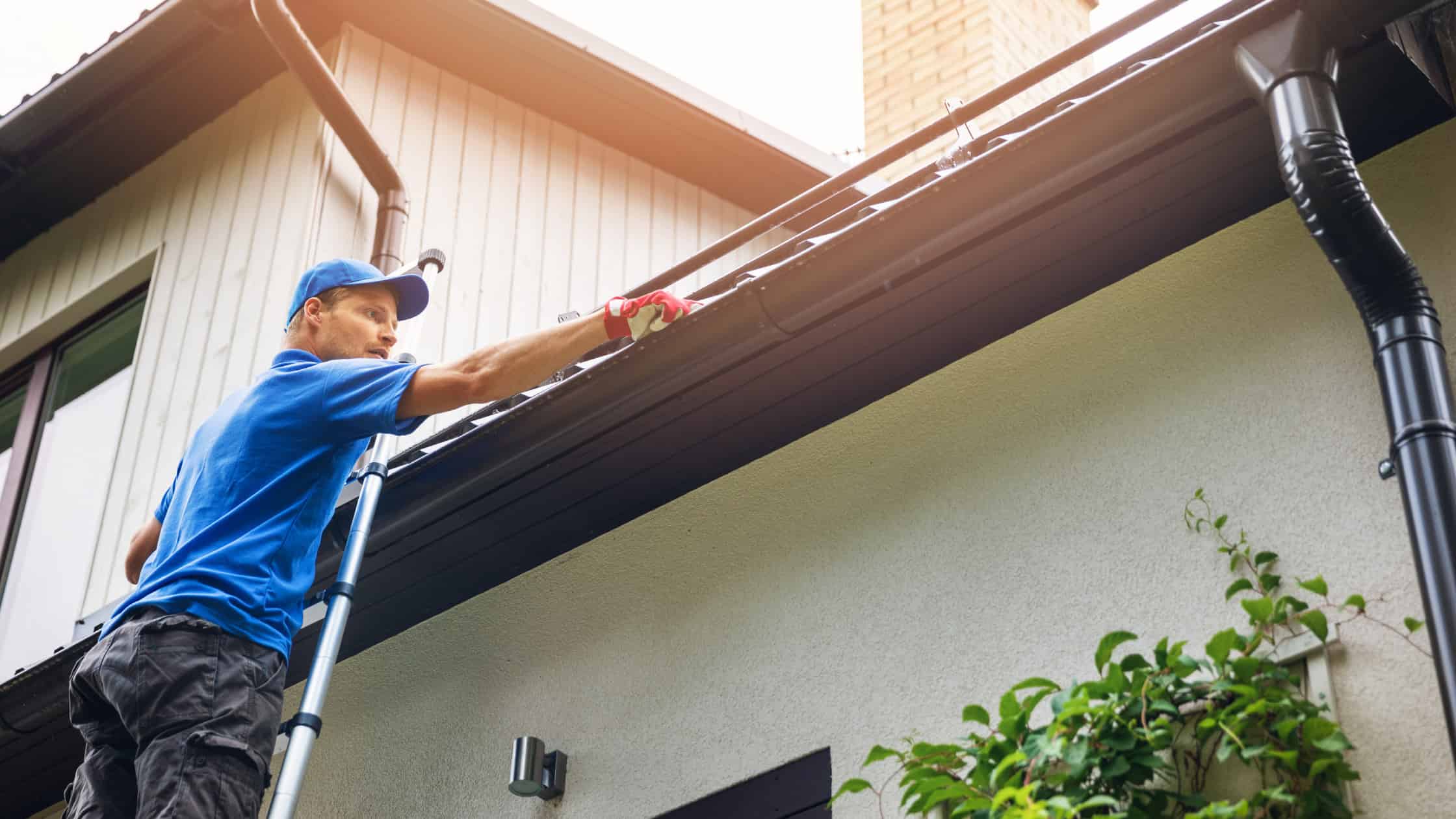
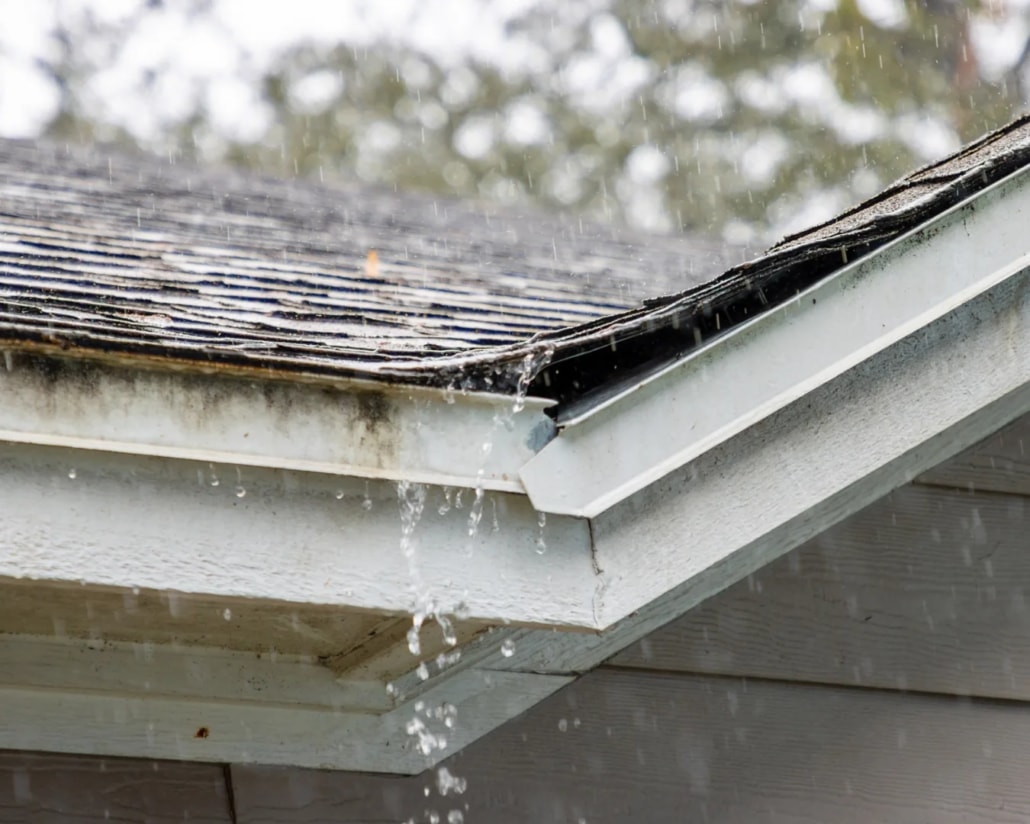
- sagging or overflowing gutters
- blocked outlets and downpipes
- loose branches above the roof
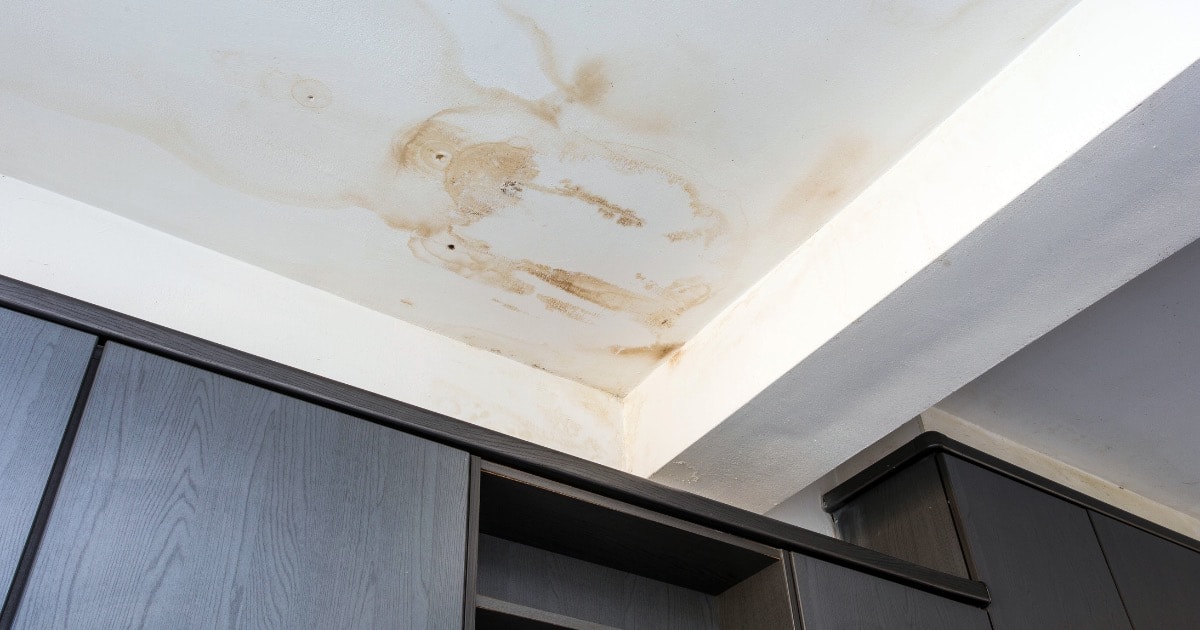
- ceiling marks from earlier leaks
Check Gutters And Drainage
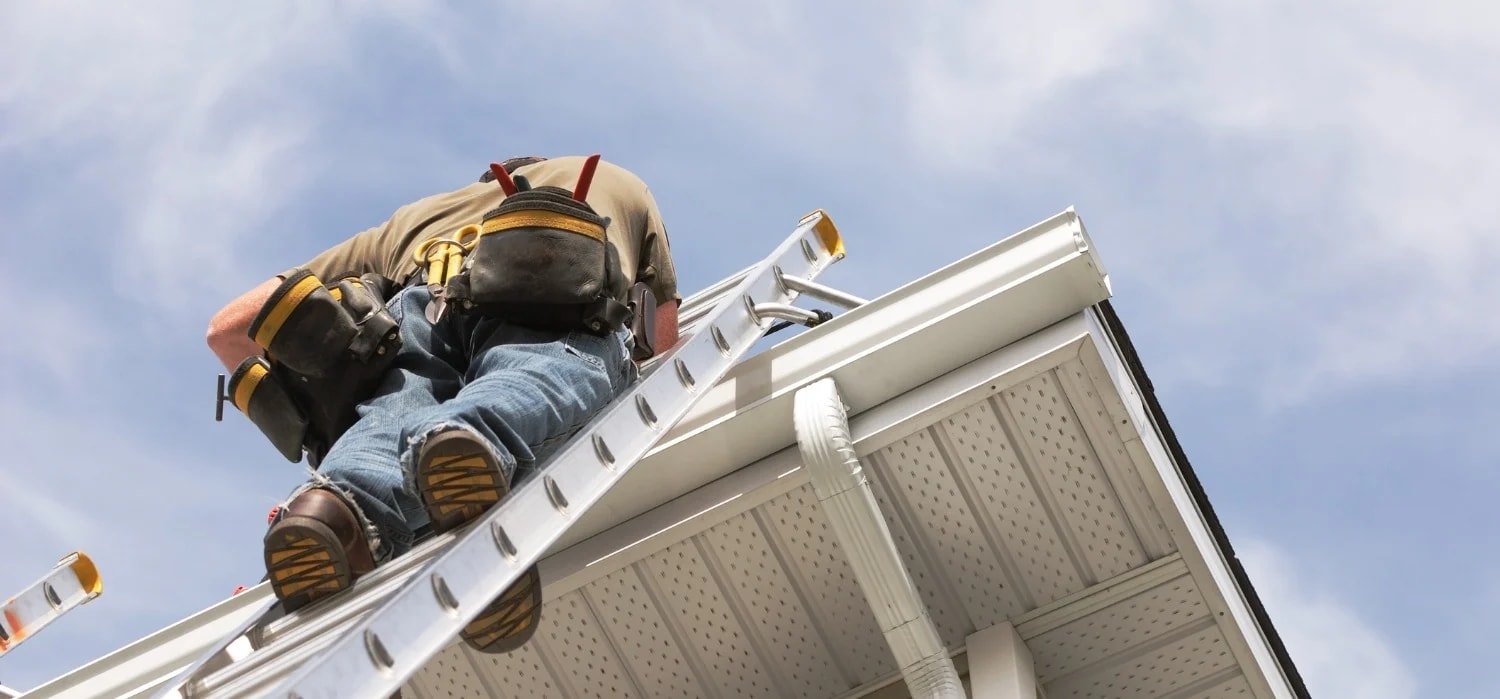
Leaves and debris can restrict gutters, box gutters, outlets and downpipes. Water may then overflow at the roof edge or back up around low points. Only clear areas that can be reached safely from the ground. Arrange roof maintenance if access, height or the roof condition makes the task unsafe.Deal With Known Faults
A small existing leak can become more disruptive during wind-driven rain. If the roof already has broken tiles, loose sheets, failed flashing or recurring water marks, arrange an assessment before the next severe weather period where possible. The quote should identify the likely cause and distinguish immediate repairs from maintenance that can be planned.Keep Useful Records
Take dated photos of the roof and exterior from safe ground-level positions. Keep earlier repair quotes, invoices and roof reports together. If storm damage occurs, these records can help show what changed. Insurers decide claim acceptance under the policy, but clear photos and repair-scope documents can make the issue easier to explain.During A Storm
Stay off the roof. Keep away from windows, fallen branches, loose roofing and wet electrical areas. Move belongings away from a leak only where it is safe. For an active leak or unsafe roof condition, call about emergency roof repairs. Urgent after-hours calls are accepted.After The Weather Passes
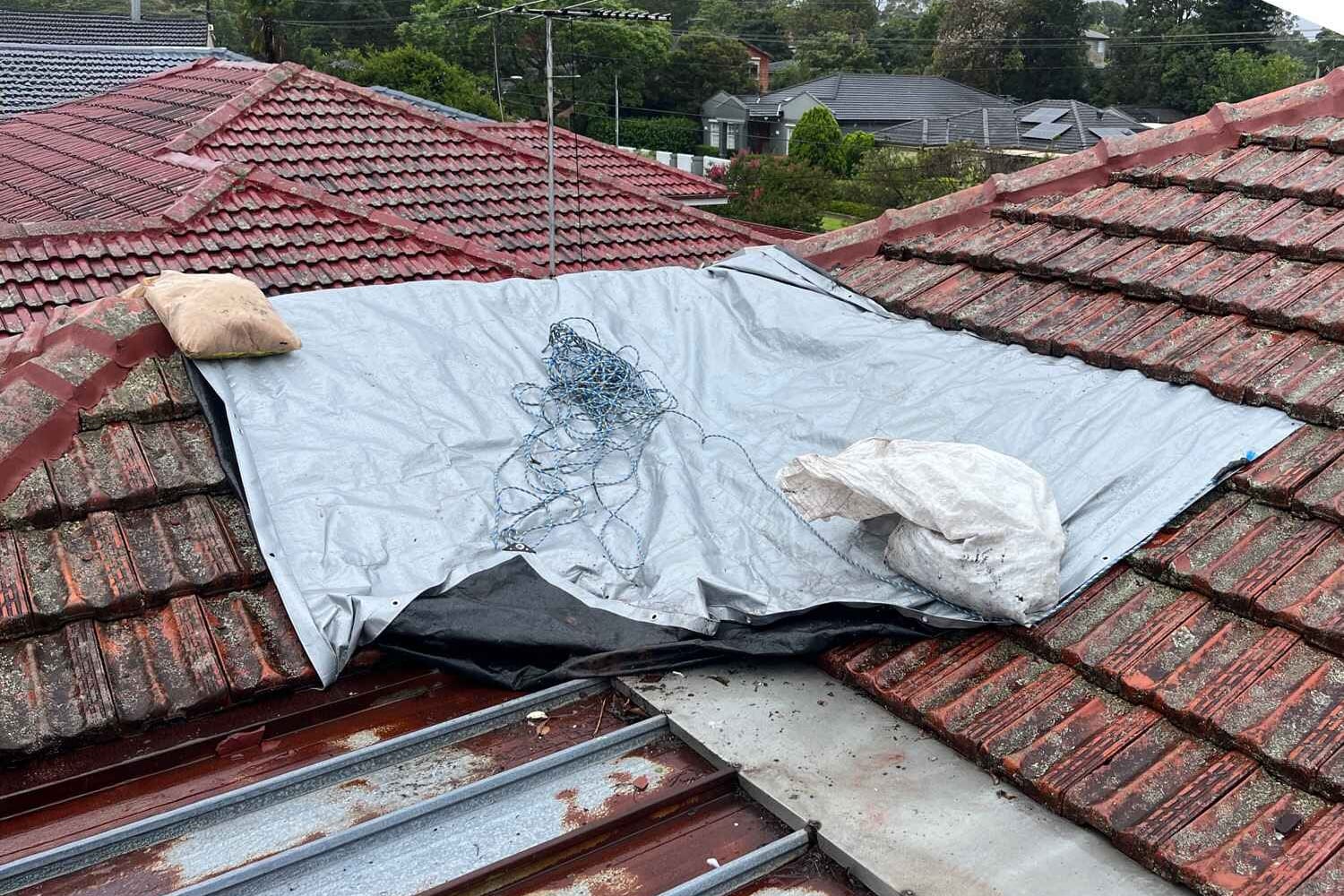
From a safe position, note new damage, water entry and any change in gutters or roof materials. Do not assume the first visible defect is the only source; water can travel before appearing inside. Send the suburb, roof type, visible issue and safe photos with the enquiry. This helps the roofer discuss attendance, temporary protection and permanent repair options.
BL Roofing Solutions
Licensed Sydney Roofing Company
Licensed Roofing CompanyTile and Metal RoofsWritten Quotes
BL Roofing Solutions provides roof repairs, restoration, replacement, metal roofing, painting, maintenance and commercial roofing across its published Sydney service area.
Contact Us