Key Takeaways
- Water can travel before appearing inside, so the stain may not sit directly below the roof fault
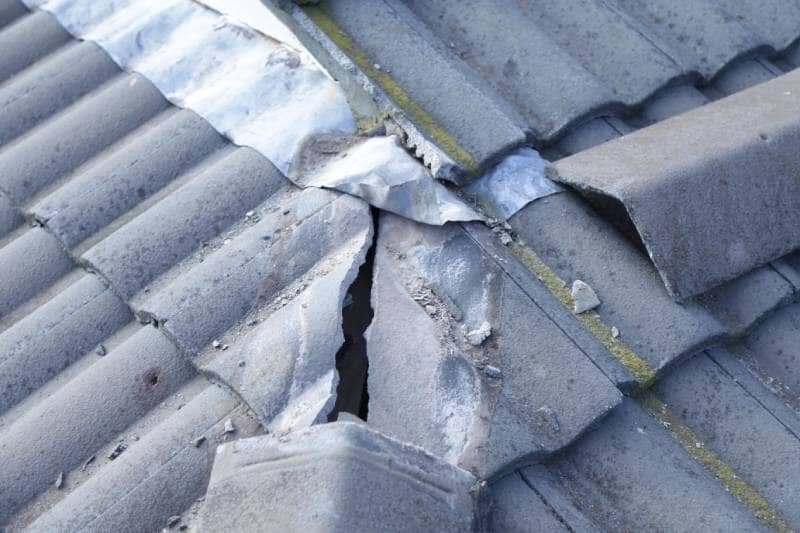
- Broken tiles, loose metal sheets and damaged flashings can allow water into the roof system
- Keep clear of wet electrical areas, loose roofing and damaged ceilings
- The suburb, roof material, timing and safe photos give the roofer a clearer starting point
Protecting Your Home: Why Early Detection of Roof Issues Matters
Water stains, active drips, broken tiles, loose metal sheets, damaged flashings, overflowing gutters and recurring leaks all deserve attention. Keep clear of unsafe areas, note what you can see from the ground and arrange a roof inspection or roof repair assessment.1. Water Stains Inside
Brown marks, peeling paint or damp plaster can be the first visible sign of water entering through the roof. The stain may not sit directly below the fault because water can travel along framing, insulation or the ceiling cavity. Record when the mark appeared and whether it changes after wind-driven rain. That timing can help narrow down the source.2. Active Drips
If water is entering during rain, move people and belongings away from the affected area where it is safe to do so. Do not touch wet electrical fittings or climb into a wet roof space. Call about emergency roof repairs if the leak is active or the area is unsafe. Urgent after-hours calls are accepted.3. Broken Tiles or Loose Metal Sheets
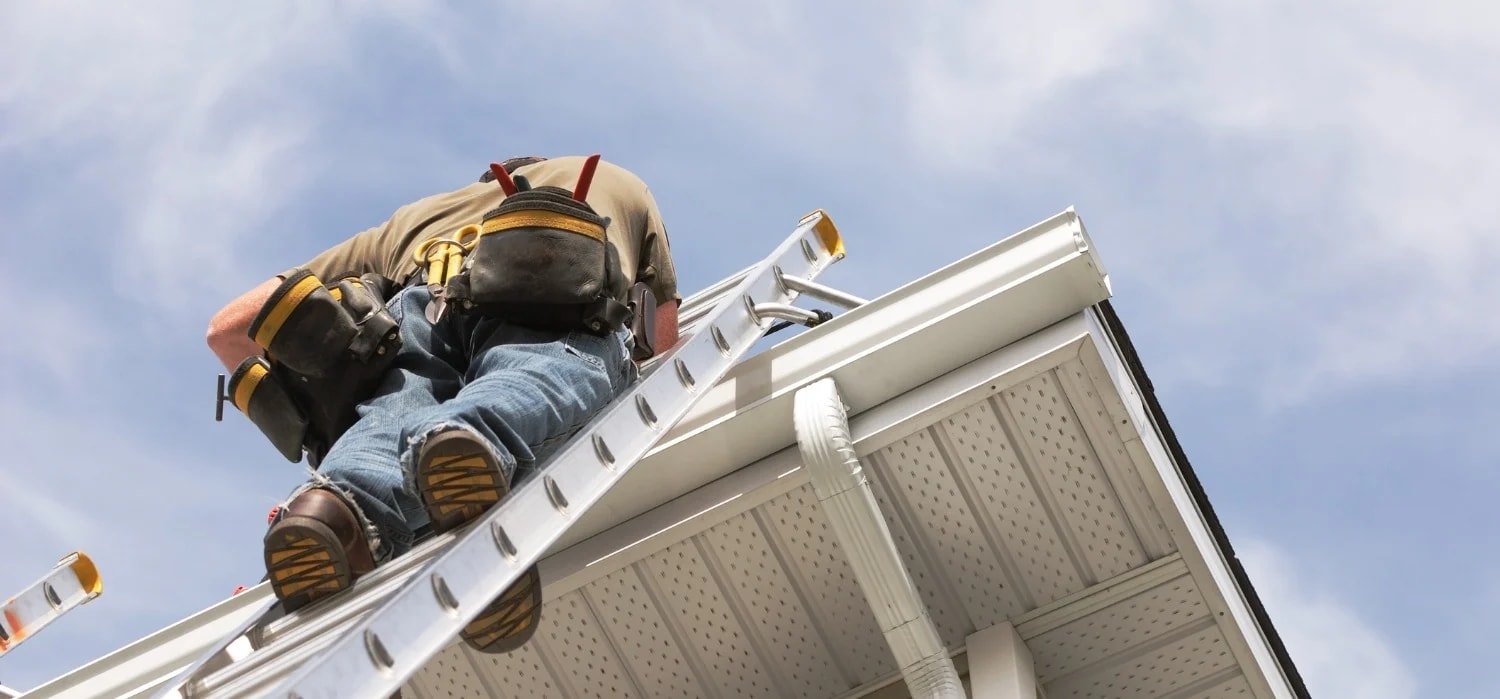
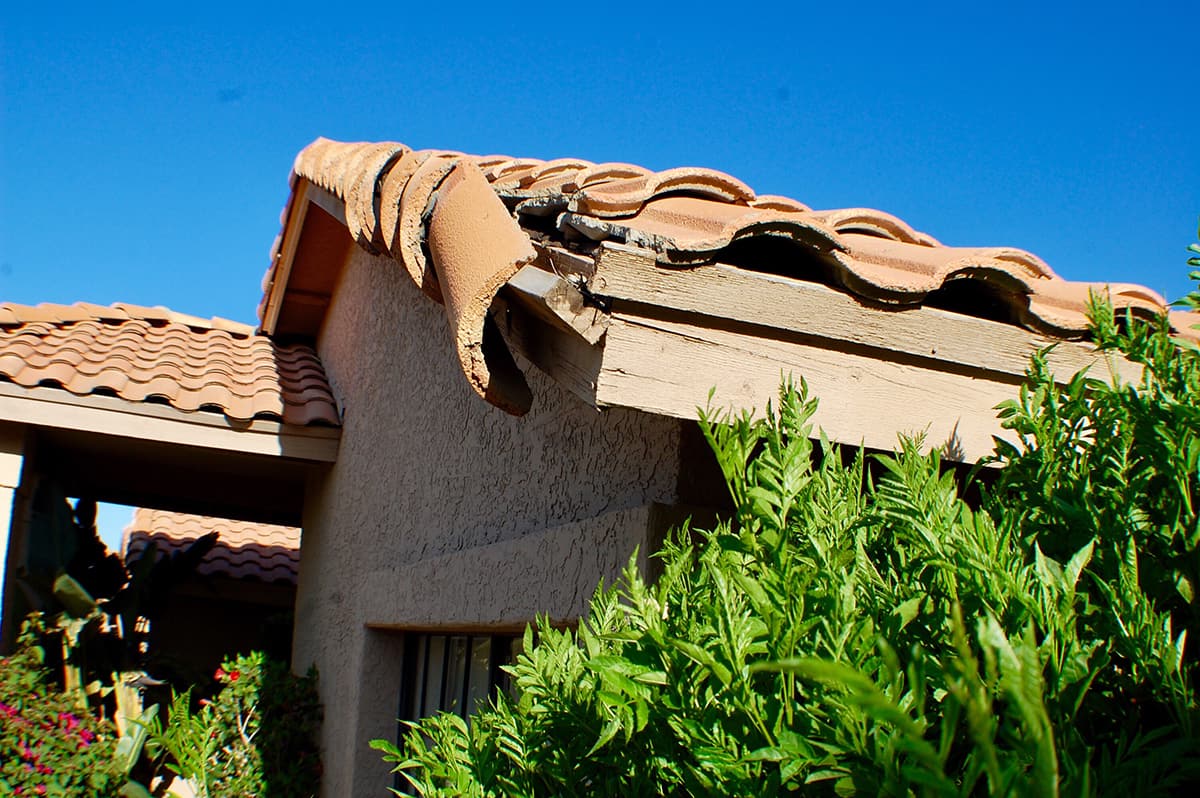
Cracked or displaced tiles can expose the roof beneath. On a metal roof, loose sheets, lifted edges or failed fixings can allow water entry and may become a safety concern in strong wind. Check from the ground or another safe position. A roof should not be walked on without suitable access and safety controls.4. Damaged Flashings
Flashings protect roof junctions around walls, chimneys, skylights, vents and changes in roof level. Gaps, movement or visible corrosion around these areas can lead to leaks. A repair should address the junction and water path rather than simply sealing the first visible gap.5. Ceiling or Roof Movement
A sagging ceiling, displaced roof line or newly opened gap needs prompt attention. Keep the area below clear until the cause and immediate risk have been assessed.6. Overflowing Gutters or Box Gutters
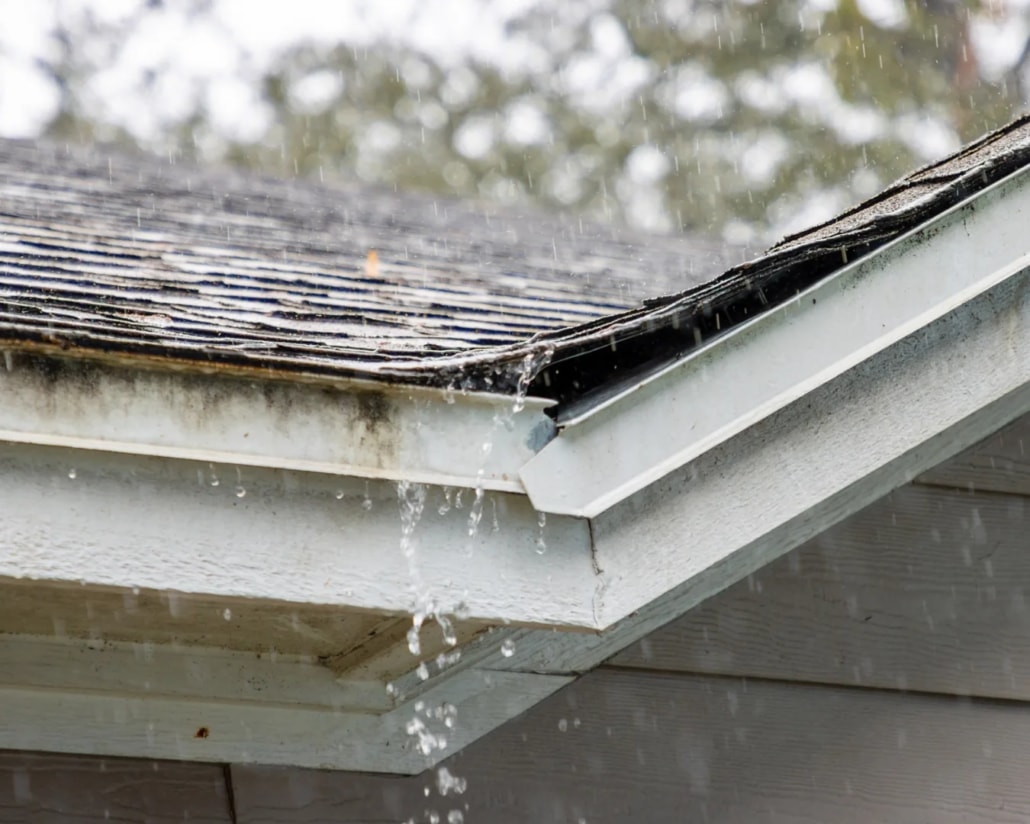
Overflow can come from leaves, blocked outlets, poor falls, damaged gutters or drainage that cannot move water away effectively. Water may then enter at the roof edge, behind fascia or through a box gutter. Ground-level gutter observations and photos can help, but avoid ladders during rain or strong wind.7. A Leak That Keeps Returning
Repeated patching may miss the original fault. Recurring leaks can involve flashings, valleys, penetrations, drainage, sheet laps or more than one roof area. Ask for the likely source, recommended repair and any related maintenance to be set out clearly in the written quote.What To Send With An Enquiry
Include the suburb, roof material, where the problem is showing, when it started and any photos that are safe to take. This gives the roofer a clearer starting point before attendance or quoting. For a broader check, see the Sydney roof inspection checklist or discuss planned roof maintenance.
BL Roofing Solutions
Licensed Sydney Roofing Company
Licensed Roofing CompanyTile and Metal RoofsWritten Quotes
BL Roofing Solutions provides roof repairs, restoration, replacement, metal roofing, painting, maintenance and commercial roofing across its published Sydney service area.
Contact Us