Key Takeaways
- Keep people away from wet electrical areas, damaged ceilings and loose roofing
- Share access, occupants, stock and operating constraints when calling about the leak
- Temporary protection may come before permanent repairs when weather or access is unsafe
- Photos and a proposed repair scope can support the owner's insurer conversation where relevant
Quick Answer
For an active commercial roof leak, protect people first, isolate the affected area and move stock or equipment only where it is safe. Record visible damage, then call about emergency roof repairs. Urgent after-hours calls are accepted.Make The Area Safe
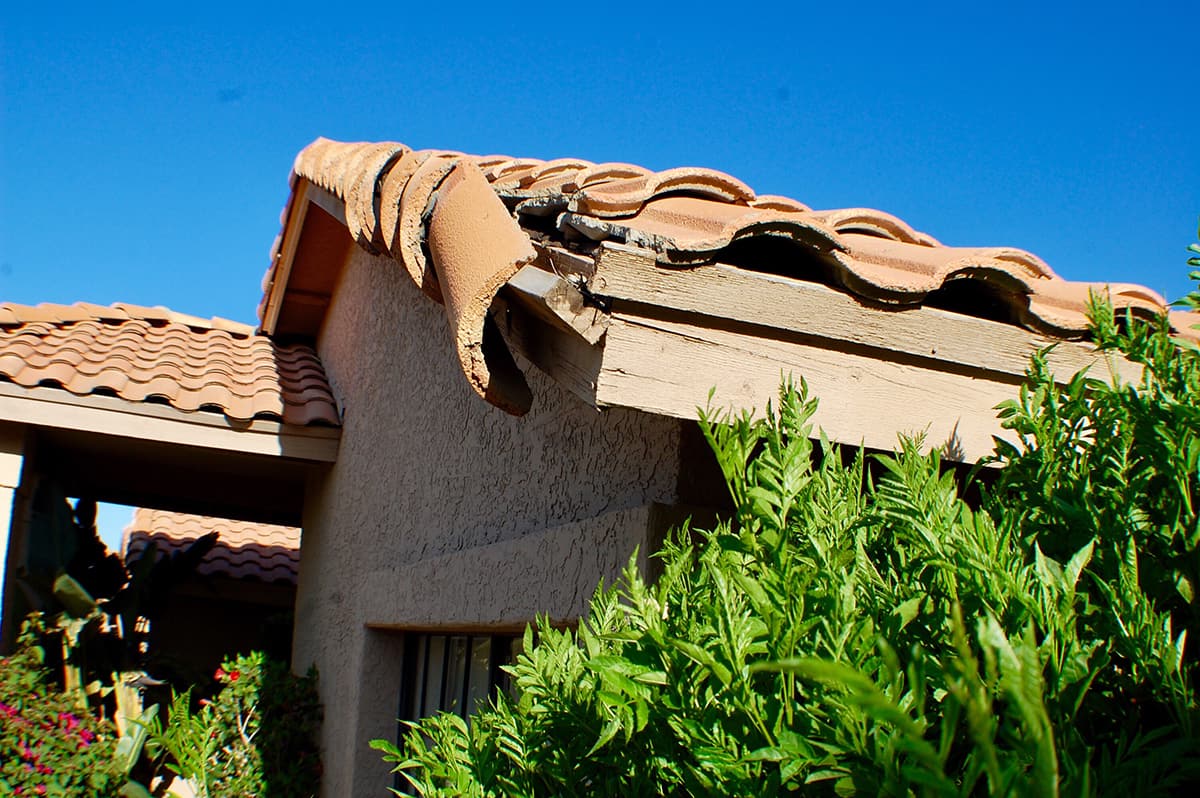
Keep staff, tenants and visitors away from falling ceiling material, wet electrical fittings, loose roofing and pooled water. Do not send staff onto the roof to investigate. If water is entering near electrical equipment, follow the building's emergency procedures and use the appropriate emergency or electrical service where needed.Limit Internal Exposure Where Safe
If it can be done without entering an unsafe area:- move stock, documents or equipment away from the leak
- place containers beneath drips
- protect nearby surfaces from splashing
- mark the affected area so other people avoid it
- note whether the leak changes with wind direction or rainfall
What To Tell The Roofer
Useful details include the property address, roof type, affected roof area, building access, occupants, stock below the leak and any immediate operating constraints. Photos of internal water entry and safe ground-level roof views can help. Do not climb onto the roof for a photo.Temporary Protection And Permanent Repairs
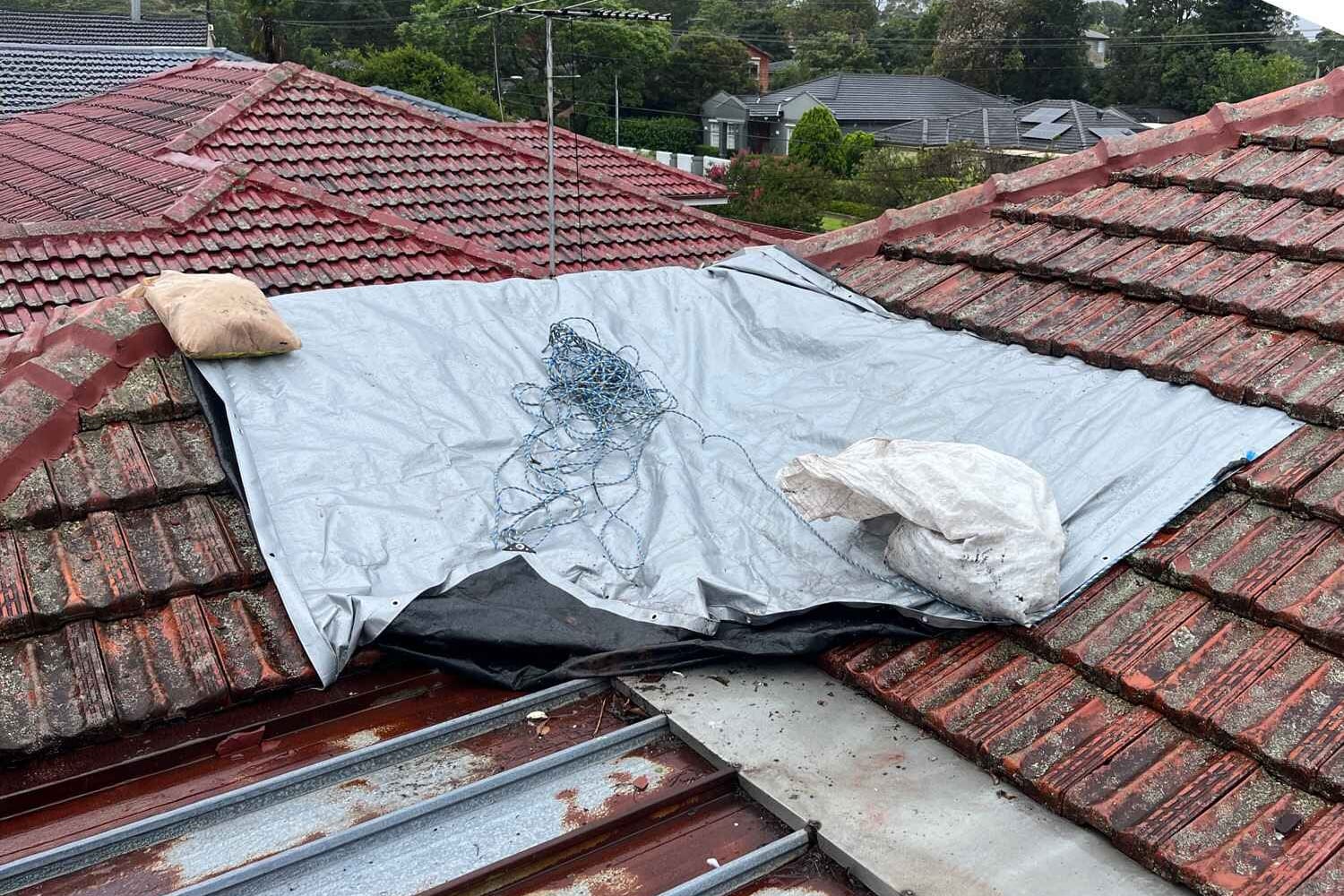
Weather, access and safety may prevent a permanent repair straight away. Temporary protection can be considered where suitable, followed by a written repair scope once the roof can be assessed properly. The permanent scope should deal with the cause of the leak. On commercial roofs this may involve box gutters, outlets, sheet laps, flashings, skylights, penetrations, membranes or roof-mounted equipment.Documentation For Owners And Insurers
BL Roofing Solutions can include photos, observed damage and a proposed repair scope where relevant. The property owner or manager remains responsible for contacting the insurer, interpreting the policy and managing the claim. Keep copies of:- dated photos and incident notes
- the insurer's instructions
- temporary protection records
- repair quotes and approved work
- invoices and completion information supplied with the job
Plan Around Building Use
Tell the roofer about access restrictions, trading hours, tenants, loading areas, stock and roof-mounted plant. Where safety allows, work can be planned around those requirements, including after-hours scheduling. After the urgent issue is resolved, consider a commercial maintenance plan for drainage, flashings and repeat leak areas.
BL Roofing Solutions
Licensed Sydney Roofing Company
Licensed Roofing CompanyTile and Metal RoofsWritten Quotes
BL Roofing Solutions provides roof repairs, restoration, replacement, metal roofing, painting, maintenance and commercial roofing across its published Sydney service area.
Contact Us